
Holistic Guide for Hysterectomy Recovery
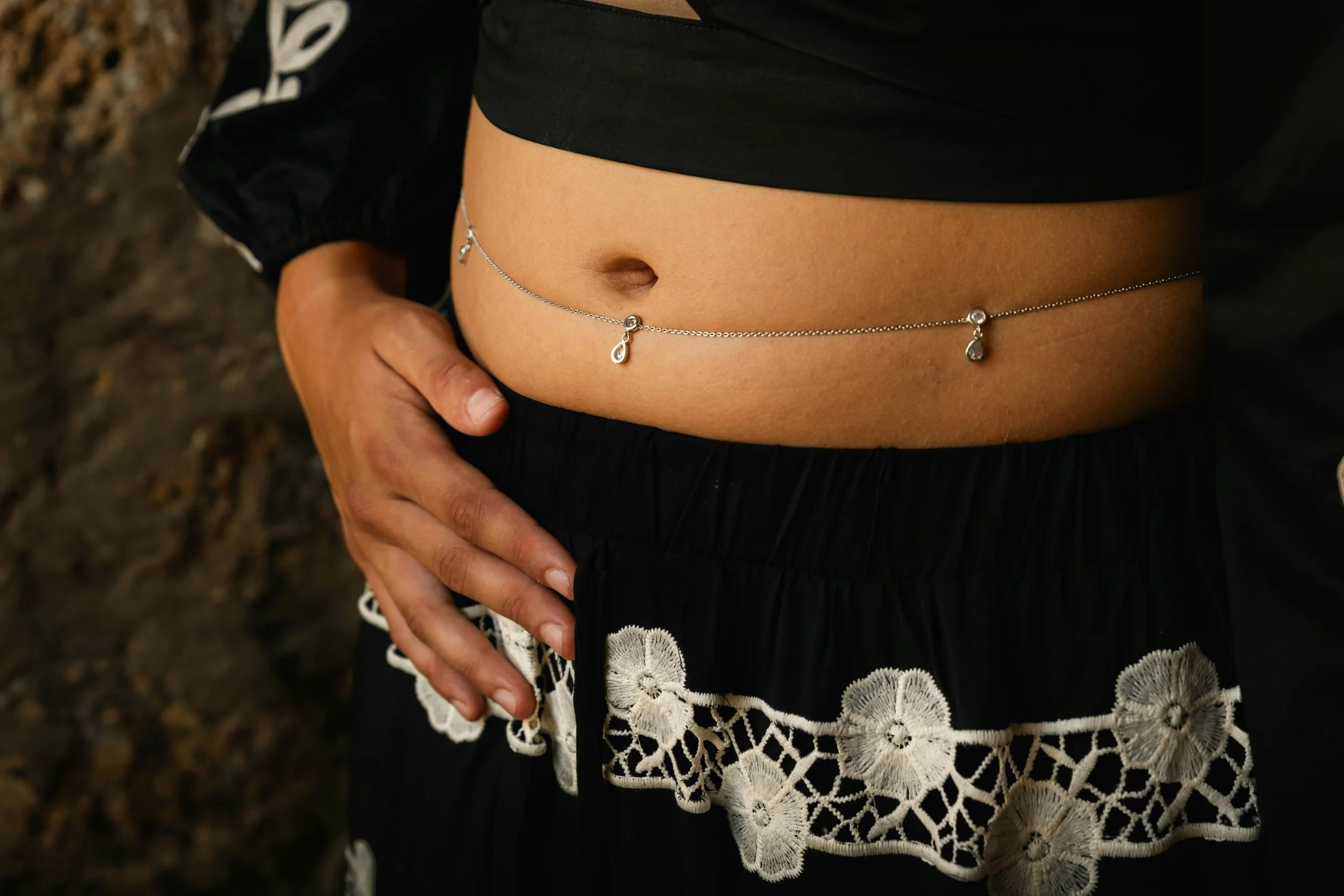
I can remember when I was first recovering from my hysterectomy, I waited for every checkpoint on the hystersisters website. It was incredibly helpful to know what was happening with my body and that there were other women out there going through the same things.
As grateful as I was to find that support for my physical healing, it felt like it was only scratching the surface of what I really wanted to know. Questions would pop up in my head that made me feel like I was crazy to ask them. What is life going to look like now? Am I even still a woman? I found there was a lot more to recovery than just physical checkpoints.
Coming up on 10 years after my total hysterectomy, and I'm realizing that as much as we’ve progressed towards talking about hormones, menopause, and women’s health we’re still not having conversations around what life looks like after hysterectomy, or even ways to heal after hysterectomy in a way that nourishes the whole body. In the past decade, I've discovered a lot about healing after a hysterectomy, and found a lot of support that I wish I had available to me back then.
It's taken me a while to feel ready to share my journey and all that I've learned, but I'm hopeful that these words will reach women who may be struggling after their hysterectomy, or searching for ways to support themselves after surgery. There's so much to say, and it won't all be covered in one post, but I wanted to start with the practices that were instrumental in my own healing journey.
Let's get into it!
Nourishing the Body
This is foundational. I talk alot with clients about nourishment, even those not recovering from surgery, because so many of us are moving through life depleted and ending up burnt out. If we're not running on nourishment, we're going to run on stress hormones (hello adrenaline and cortisol). There are many different ways to nourish the body, I love sticking to whole foods, incorporating a lot of broth and teas into my day, and eating consistently throughout the day.
If you've just had a hysterectomy:
After a hysterectomy your body is put under a lot of stress and is going through a lot to find a new normal, on top of healing from a major surgery. Nourishment is going to be key to recovery.
My favorite practices after surgery are:
Warm foods (think stews and soups)
Herbal teas and infusions (infusions are just long steeped teas)
Plenty of rest
Lots of broth, bone broth is amazing for recovery!
Fresh juices (not too sugary, some sort of green juice is wonderful)
After my hysterectomy I craved bone broth, I couldn't get enough of it. I remember drinking a cup of it and immediately asking for more. I love that my body understood how good it was for me even before I knew it logically. Our bodies are so wise!
Balancing the Nervous System
If our body is stressed, we can't rest, digest, and heal. This is a major surgery, one we only heal from once. Take the time your body needs and if you have a great support system, ask for help. I know that most of the time in our culture we're celebrated for pushing past the point of exhuastion, but for our bodies to fully heal, we have to allow ourselves to rest.
How to get to that space is going to vary a lot based on how far out from surgery you are. If you're only a few days post op, that may just look like sleeping and resting. For those that are at least a few weeks out, there are a lot more options and I encourage you to find what feels best for you. This could look like:
Walks outside
Spending 15 minutes barefoot in the grass
Warm (not too hot) baths with epsom salts (when you're cleared for baths)
EFT Tapping
Breathwork
Somatic Exercises (I love the simple, short routines from The Workout Witch)
15 minutes with a warm, lavender eye pillow
Welcome all Emotions
I'm going to go deeper into the emotional and identity changes that can happen post hysterectomy in another blog, because I feel like this topic has a lot of layers. A starting point though is allowing yourself to feel and let flow all emotions that come up. Everyone who experiences a hysterectomy is not going to feel the same way, and you don't need permission from someone else to feel the way you're feeling. It doesn't have to make sense to anyone else, only you.
Do what you need to do to process. Journal, call a friend, cry, sing, whatever your body is asking for. Surpressing our emotions just means they're going to show up in the body later.
Herbal allies for recovery
This is going to vary a lot based on where you are in your recovery. I'm going to give a few of my favorites. :
Calendula- Lymphatic cleansing and wound healing. Could be used topically (when allowed to) or drank as a tea.
Rose- Can be used in so many different ways, but Rose opens us up to our heart and is a fantastic ally for helping us find peace and love within ourselves.
Blue Vervain- For those who hold onto a lot of tension, is also fantastic for hot flashes. Not a great tasting herb for a tea, is much better taken as a tincture or glycerite.
Alfalfa- High in minerals, deeply nourishing, and a wonderful source of calcium. I add this into many different types of tea blends.
Milky Oats- One of my go to plant allies. Highly nutritive and supportive for the nervous system. If you've gone through times of high stress (haven't we all) Milky Oats comes in and not only soothes the nervous system but helps rebuild your stress resiliency.
Please remember these are only suggestions and to look into each herb for yourself to see if it's a good fit for you!
Hormonal shifts after hysterectomy
This is one of the points I've struggled most with post hysterectomy because I was 26 and had my ovaries removed as well. If you do have your ovaries, some women find they struggle with their hormones because of the restricted blood flow.
I'm hoping things are different now, but when I went to my first post op appointment they slapped an estradiol patch on me and told me I was good to go. No testing my hormones, no talk of progesterone, no guidance on processing excess estrogen (I have endometriosis). Just sent on my way, with more questions than answers.
One thing I highly suggest is getting your hormones tested if you're able to. A DUTCH test is incredibly useful to see the whole picture. This helped me know what herbs I needed to focus on and where I would benefit most with hormone replacement.
The choice of going down the route of HRT (or not) needs to be based on what's best for you and your body. I highly encourage you to seek out a naturopath or functional health doctor who can draw your labs and support you in making the best decision.
Prioritizing my hormonal health as a whole has been another foundational piece for me. These are the practices that I focus on:
Getting enough sleep
Falling asleep before 10:30
Minimizing (or completely removing) alcohol
15 minutes of sunlight first thing in the morning (without glasses or contacts on)
Eating consistently throughout the day
Eating breakfast within an hour of waking up
Remember, balancing your hormones takes time. This isn't a quick and dirty approach, this is slow and intentional. Consistency is going to be key, and giving yourself grace on the days things don't go perfectly.
The next post in this series is going to be for those of us who are far past the beginning stages of hysterectomy recovery. We'll dive deeper into our emotions and connecting back to our bodies and Wombs. Stay Tuned!
Sending healing and wellness,
Jamie
If you are desiring more guidance for where you are personally on this journey, I would be honored to work with you. You can book your free discovery call here.
A Gentle Reminder: This article is offered for educational purposes and to encourage curiosity about your own health and healing. Every body is unique, and what supports one person may not be right for another. I encourage you to do your own research, listen to your body's wisdom, and work with a qualified healthcare provider when making decisions about your health. The information shared here is not intended to diagnose, treat, cure, or prevent any disease, nor should it replace personalized medical advice.